

Thinking of giving your dog bath every week? Some people say you should bathe your dog every week. Others claim once a month is enough. Then there’s that one friend who swears their dog hasn’t had a bath in six months and is ‘just fine.’ So, who’s right? According to Jennifer Bishop-Jenkings, a certified master groomer says that hair and fur are not the same and should be cared for in different ways.
Dogs have become a part of our family which is why it is very important to keep them clean. Keeping your furry friend clean is an essential part of responsible pet care. Regular grooming, including bathing, not only enhances your dog’s appearance but also contributes significantly to their overall health and well-being. Proper hygiene helps prevent skin infections, reduces shedding, and keeps your pet comfortable.
Do Dogs Like Warm or Cold Baths?
When it comes to bath time, dogs can be just as picky as humans. Some love the water, while others will do anything to escape the tub. But one thing’s for sure—the water temperature can make or break the experience for your furry friend.
According to veterinarians, warm water is generally the best choice for bathing dogs since they have a sensitive skin. Just like humans, dogs find warm water more soothing and comfortable, helping them relax during bath time. Cold water, on the other hand, can be a shock to their system, especially for small or short-haired breeds. However, during hot weather, slightly cooler water can help refresh and cool them down without causing discomfort.
Is It Safe to Bathe a Dog?
Bathing your dog is essential for their hygiene, but doing it the wrong way can cause more harm than good. From choosing the right shampoo to avoiding over-bathing, there are key safety considerations every pet owner should know.
1. Avoid Using Human Shampoo
While it may be tempting to use your regular shampoo on your pup, human shampoos contain harsh chemicals and a different pH balance that can irritate a dog’s skin. Instead, Dr. Jackie Campbell recommends to always use dog-friendly shampoos that contains lipids and ceramides which are specifically formulated to maintain their skin’s natural oils and prevent dryness.
2. Don’t Over-Bathe Your Dog
Too many baths can strip away essential oils, leading to itchy, flaky skin and a dull coat. The ideal frequency depends on factors like breed, coat type, and lifestyle. Bathing your dog too little, on the other hand, can result in dirt buildup and skin infections. Striking the right balance is key!
3. Use Lukewarm Water & Gentle Techniques
Dogs are sensitive to extreme temperatures. Water that is too hot can burn their skin, while cold water can cause discomfort. Using lukewarm water and gentle strokes during the bath helps keep them calm and relaxed.
What Happens If I Never Bathe My Dog?
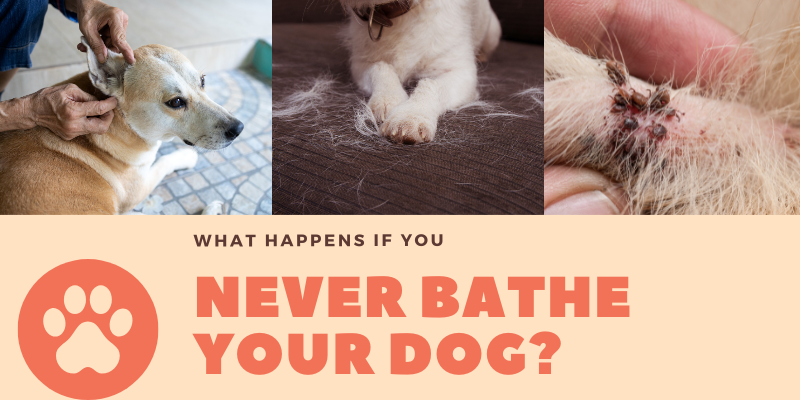
Skipping your dog’s bath once in a while isn’t a big deal, but what happens if you never bathe them at all? Just like humans, dogs need regular grooming to stay clean and healthy. Without proper bathing, they can develop several health and hygiene issues or they maybe introduced to blood feeding ectoparasites such as ticks and fleas that go beyond just a bad smell.
1. Skin Infections & Irritation
Dirt, oil buildup, and bacteria can accumulate on your dog’s skin over time, leading to itchiness, rashes, and even painful infections. Certain breeds with skin folds (like Bulldogs and Pugs) are especially prone to bacterial and yeast infections if not cleaned regularly.
2. Unpleasant Odor
Dogs naturally have a mild scent, but without regular baths, sweat, dirt, and bacteria can mix, creating a strong, unpleasant odor. This can make cuddling with your furry friend far less enjoyable!
3. Matted & Tangled Fur
For dogs with long or curly coats, skipping baths can lead to severe matting and tangling. Mats trap dirt, moisture, and bacteria close to the skin, which can cause irritation, infections, and even limit mobility in severe cases.
4. Increased Shedding & Allergens
A dirty coat can lead to excessive shedding, leaving fur all over your home. Bathing helps remove loose fur and dander, which is especially important if anyone in your household has pet allergies.
How to Keep Your Dog Clean & Healthy
- Bathe them regularly based on their breed and lifestyle (some dogs need monthly baths, while others require more frequent grooming).
- Brush their coat between baths to remove dirt and prevent matting.
- Use dog-friendly shampoos to protect their skin and coat.
What Is a Good Shampoo for Dogs?
Choosing the right shampoo for your dog is more than just picking a nice scent—it’s about keeping their skin healthy, their coat shiny, and avoiding irritation. According to American Kennel Club, using the wrong shampoo or a human shampoo can lead to dryness, itching, and even allergic reactions because their skin is sensitive and cannot handle the pH level of the human shampoo. So, what should you look for?
Types of Dog Shampoos & Their Benefits
- Medicated Shampoos – Ideal for dogs with skin infections, hot spots, or fungal issues, these shampoos contain antibacterial and antifungal properties to soothe irritation and promote healing.
- Hypoallergenic Shampoos – Designed for dogs with allergies or sensitive skin, these shampoos are free from harsh chemicals, artificial fragrances, and dyes that can cause irritation.
- Oatmeal or Aloe Vera Shampoos – Perfect for dry, itchy, or sensitive skin, these natural ingredients help moisturize and soothe irritation while maintaining a healthy coat.
- Deodorizing Shampoos – If your dog loves rolling in dirt or has a strong odor, these shampoos neutralize smells without stripping natural oils.
- Flea & Tick Shampoos – If your pup is prone to fleas or ticks, this type of shampoo contains insect-repelling ingredients to keep pests away.
Why Choosing the Right Shampoo Matters
Not all shampoos work for every dog. Factors like breed, coat type, skin sensitivity, and lifestyle all play a role in determining the best option. Using the wrong shampoo—especially human shampoo—can strip their natural oils, leading to dry, itchy skin and dull fur.
At Kathmandu Pet Spa, professional groomers use only pet-safe, high-quality grooming products tailored to each dog’s needs. Whether your pup has sensitive skin or just needs a deep clean, they ensure a safe and comfortable bath every time.
How Do I Know When My Dog Needs a Bath?
Unlike humans, dogs don’t need a daily shower—but how do you know when it’s time for a bath? While some pups stay fresh for weeks, others get dirty in just a few days. The key is knowing the signs that your dog is due for a scrub.
Signs Your Dog Needs a Bath
- Unpleasant Odor – If your dog is starting to smell a little too “doggy” (or worse!), it’s time for a bath. A buildup of dirt, sweat, and bacteria can cause strong odors.
- Greasy or Sticky Coat – If your dog’s fur feels oily, sticky, or damp, their natural skin oils may have built up excessively, signaling the need for a wash.
- Visible Dirt or Mud – If you can see dirt, mud, or debris clinging to your dog’s fur, it’s time for a bath—especially after outdoor adventures.
- Increased Scratching or Itching – A dirty coat can cause irritation and even lead to skin infections. If your dog is scratching more than usual, a gentle bath with a soothing shampoo may help.
- Dull, Matted, or Tangled Fur – A dirty coat can lead to tangles, matting, and a dull appearance. Regular grooming helps maintain a healthy, soft, and shiny coat.
Regular Baths Keep Your Dog Healthy & Happy
A proper bathing schedule helps remove dirt, allergens, and excess oils, keeping your dog’s coat fresh and skin healthy. However, bathing too often can dry out their skin, so it’s important to find the right balance based on their breed and lifestyle. According to a study done on June-July 2014, it has been proved that bathing and grooming your dog reduces their stress level. 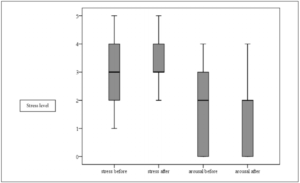 d bathe? Kathmandu Pet Spa offers personalized grooming consultations to create a bathing routine tailored to your pet’s needs. Their professional groomers use high-quality, pet-safe products to ensure a stress-free and refreshing experience for your furry friend!
How Often Should You Cut Your Dog’s Hair?
Just like humans, dogs need regular haircuts to keep their coats healthy and well-groomed. But how often should you schedule a trim? The answer depends on your dog’s breed, coat type, and lifestyle. Some dogs need frequent grooming, while others can go months without a cut.
How Often Different Breeds Need Haircuts
- Long-Haired Breeds (Every 4–6 Weeks) – Dogs like Shih Tzus, Maltese, Poodles, and Afghan Hounds require frequent trims to prevent matting and maintain a manageable length. Regular cuts keep their fur soft, tangle-free, and looking great!
- Double-Coated Breeds (Every 8–12 Weeks, If Needed) – Breeds like Golden Retrievers, Huskies, and Collies don’t usually need full haircuts, but light trimming around the paws and sanitary areas can help maintain hygiene. Over-trimming can disrupt their natural coat insulation.
- Curly or Wavy Coats (Every 6–8 Weeks) – Breeds like Poodles, Bichon Frises, and Portuguese Water Dogs have fur that grows continuously and needs regular grooming to avoid matting and overgrowth.
- Short-Haired Breeds (Rarely or As Needed) – Breeds like Labradors, Beagles, and Boxers usually don’t need haircuts, but occasional trims around the paws and hygiene areas can be beneficial.
Why Regular Haircuts Are Important
- Prevents Matting & Tangles – Mats can trap dirt, moisture, and bacteria, leading to skin infections.
- Keeps Fur Clean & Manageable – A well-groomed coat is easier to maintain and looks great.
- Enhances Comfort – Especially in hot weather, keeping fur trimmed can prevent overheating.
At Kathmandu Pet Spa, professional groomers provide expert hair trimming and styling tailored to your dog’s breed and coat type. Whether your pup needs a light trim or a full groom, their team ensures a safe, stress-free experience with high-quality pet grooming products.
How Do I Choose a Good Dog Groomer?
Finding the right groomer for your furry friend is just as important as choosing a trusted vet. A professional groomer not only keeps your dog looking great but also ensures their comfort, safety, and hygiene. But with so many options out there, how do you choose the best one?
What to Look for in a Good Dog Groomer
- Experience & Training – A skilled groomer should have hands-on experience with different breeds, coat types, and temperaments. Look for groomers with certifications or specialized training in pet grooming.
- Clean & Safe Environment – The grooming space should be hygienic, well-organized, and stress-free for pets. Pay attention to cleanliness and the way other dogs are treated.
- Positive Reviews & Reputation – Check customer reviews, testimonials, and word-of-mouth recommendations. A good groomer will have a loyal clientele and glowing feedback.
- Use of High-Quality, Pet-Safe Products – Groomers should only use dog-friendly shampoos, conditioners, and tools that suit your dog’s specific needs.
- Personalized Grooming Plans – Every dog is unique. A professional groomer should tailor the grooming routine based on your dog’s coat type, health, and lifestyle.
Kathmandu Pet Spa – Trusted Dog Grooming in Kathmandu
If you’re looking for expert care, Kathmandu Pet Spa is a top choice for professional dog grooming services. Their experienced groomers provide personalized grooming plans, pet-safe products, and a stress-free experience for your furry friend. With a strong reputation and satisfied pet parents, Kathmandu Pet Spa ensures your dog gets the best care possible.
What Is Rule #1 for Grooming a Dog?
When it comes to grooming your dog, there’s one golden rule every pet parent should follow: Consistency is key! Regular grooming isn’t just about making your pup look good—it’s essential for their health, hygiene, and overall well-being.
Why Consistency in Grooming Matters
- Prevents Skin & Coat Issues – Routine brushing, bathing, and trimming keep your dog’s coat free from dirt, tangles, and matting. This helps prevent skin infections and irritation.
- Reduces Shedding & Allergens – Regular grooming helps manage shedding, keeping your home cleaner and reducing allergens.
- Keeps Nails Trimmed & Paws Healthy – Overgrown nails can cause discomfort and even affect your dog’s posture. Trimming them regularly prevents pain and injury.
- Early Detection of Health Issues – Consistent grooming allows you to spot lumps, bumps, infections, or parasites early, ensuring timely vet care.
- Makes Grooming Less Stressful – If your dog is groomed regularly, they become more comfortable with the process, reducing anxiety and making each session easier.
Kathmandu Pet Spa – Professional Grooming with Care
At Kathmandu Pet Spa, expert groomers understand the importance of consistent and stress-free grooming. They follow the best grooming practices, using high-quality pet-safe products to ensure your dog stays happy, healthy, and looking their best.
What Are the 7 Steps of Grooming a Dog?
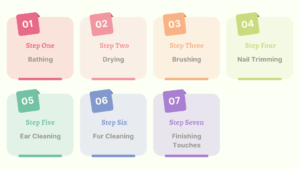
Grooming your dog is more than just a bath—it’s a comprehensive process that keeps them looking and feeling their best. Whether you’re doing it at home or leaving it to the experts, here are the 7 essential steps in a complete dog grooming session:
1. Bathing
The first step is to give your dog a bath. Using the right dog-safe shampoo, your pup gets a good clean, helping to remove dirt, oils, and odors. Bathing also provides an opportunity to check for skin issues or parasites.
2. Drying
After the bath, it’s time to dry your dog. Towel drying helps remove excess moisture, followed by the use of a pet-safe blow dryer to gently dry their coat. This step is essential to prevent matting, especially in long-haired dogs.
3. Brushing
Brushing removes loose fur, dirt, and tangles, and helps prevent mats. For long-haired dogs, brushing is especially important, while short-haired dogs still benefit from regular brushing to manage shedding and keep their coat shiny.
4. Nail Trimming
Trim your dog’s nails regularly to avoid overgrowth, which can lead to discomfort or even injury. Keeping their nails at a proper length is vital for mobility and paw health.
5. Ear Cleaning
Cleaning your dog’s ears helps prevent wax buildup, infections, and discomfort. Use a gentle ear cleanser and soft cotton pads to wipe the outer part of the ear and remove any dirt or debris.
6. Fur Trimming
Trimming your dog’s fur (if needed) helps keep their coat in shape and prevents matting. Depending on the breed, this can include trimming their face, paws, and sanitary areas.
7. Finishing Touches
The final step includes some pampering:
- Spraying a dog-friendly cologne for a fresh scent.
- Paw pad care to keep the pads moisturized and healthy.
- A light brush to give the coat a polished, shiny look.
Best Dog Groomer in Kathmandu
When it comes to grooming your furry friend, Kathmandu Pet Spa stands out as the best choice for pet grooming in Kathmandu. With years of experience, a team of skilled and passionate groomers, and a strong reputation for customer satisfaction, Kathmandu Pet Spa has earned its place as a trusted pet grooming destination in the city.
Their groomers are trained in handling dogs of all breeds, from small pups to large dogs, ensuring each one receives the care and attention they deserve. Whether your dog needs a simple bath or a complete grooming makeover, Kathmandu Pet Spa offers a personalized approach to meet every pet’s specific needs.
What Makes Kathmandu Pet Spa Special?
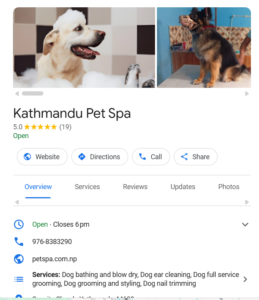
- Good reviews: Kathmandu Pet Spa has 5 star review on google.
- Years of Expertise – With years of professional experience, their team ensures top-notch grooming services.
- Skilled Staff – Groomers are highly trained and use gentle techniques to make sure your dog feels comfortable and safe.
- Customer Satisfaction – Clients rave about the spa’s friendly atmosphere and exceptional care.
- Variety of Services – From bathing and trimming to nail care and ear cleaning, they offer a full suite of grooming services to keep your dog looking and feeling their best.
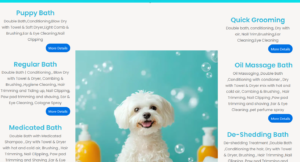
- Personalized Care – Kathmandu Pet Spa tailors their grooming sessions to meet the unique needs of each dog, ensuring they get the best results.
Conclusion
Regular grooming and bathing are essential for maintaining your dog’s overall health and happiness. Consistent care helps prevent skin issues, reduces shedding, and keeps your dog looking and feeling their best. Beyond just the aesthetic benefits, grooming also ensures that your dog is comfortable, free of mats, and free from potential health risks like infections and irritation.
Taking the time to groom your dog regularly is an act of love that contributes to their long-term well-being. Whether it’s a bath, trim, or a full grooming session, Kathmandu Pet Spa is here to help you maintain your dog’s health and appearance with professional, personalized care.

